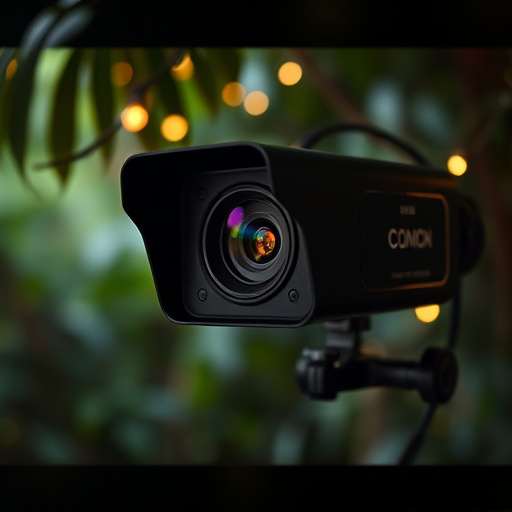
Body Worn Surveillance Camera Systems (BWSCS) enhance security in diverse sectors with real-time footage, improving accountability and evidence collection. Deployment requires balancing legalities and ethics, including adhering to surveillance laws, ensuring transparency, and maintaining public trust through robust data protection. Strategic placement, integration with existing security measures, and stringent data handling practices are crucial for optimal BWSCS implementation.
“Uncover the power of Body Worn Surveillance Camera Systems (BWSC) with our comprehensive professional placement guide. This article navigates the effective implementation of these advanced tools, addressing crucial aspects from a legal and ethical standpoint. Learn how strategic location choices enhance their effectiveness while integrating seamlessly with existing security measures. Discover best practices for data handling, ensuring privacy is preserved. Get insights into optimising BWSC deployment, transforming security operations in today’s world.”
- Understanding Body Worn Surveillance Camera Systems
- Legal and Ethical Considerations for Placement
- Choosing the Right Location for Maximum Effectiveness
- Integrating with Existing Security Measures
- Best Practices for Data Handling and Privacy
Understanding Body Worn Surveillance Camera Systems
Body Worn Surveillance Camera Systems (BWSCS) are a game-changer in professional monitoring and security. These compact, wearable devices offer a discrete yet powerful way to capture and record real-time footage, providing valuable insights for various industries. By integrating BWSCs into their operations, professionals can enhance incident response, improve accountability, and strengthen evidence collection.
The systems are designed to be user-friendly, allowing wearers to easily activate and manage the cameras while focusing on their tasks. With advanced features like high-definition video recording, audio capture, and motion detection, these cameras offer a comprehensive view of situations as they unfold. This technology is particularly beneficial in fields such as law enforcement, security services, and healthcare, where accurate documentation and transparency are paramount.
Legal and Ethical Considerations for Placement
When deploying a covert monitoring system, particularly using Body Worn Surveillance Camera Systems (BWS), it’s crucial to navigate a complex interplay between legal and ethical boundaries. The placement of these devices raises significant privacy concerns, requiring careful consideration of both national and regional laws governing surveillance. For instance, many jurisdictions have strict rules about consent, reasonable suspicion, and the types of spaces that can be monitored. Professional placements should ensure adherence to these regulations to avoid potential legal repercussions.
Ethically, the use of BWS demands transparency in their deployment, especially when placed on individuals without their knowledge or explicit consent. Organizations must establish clear guidelines for when and where these cameras are deployed, ensuring they respect personal privacy while fulfilling their monitoring objectives. Balancing security needs with individual rights is paramount, necessitating regular audits and robust data protection measures to maintain public trust.
Choosing the Right Location for Maximum Effectiveness
When deploying a covert monitoring system, selecting the optimal location is key to its success. Body-worn surveillance camera systems offer unique advantages by providing firsthand, unfiltered insights in real-time. To maximize effectiveness, strategically place cameras where potential issues or incidents are most likely to occur. For example, in security-sensitive environments like high-traffic events, retail stores, or industrial facilities, cameras can be discreetly integrated into staff uniforms or equipment, offering comprehensive coverage without compromising operations.
Consider areas with visible lines of sight, access to power sources, and internet connectivity for seamless data transmission. By combining these factors, organizations can ensure the continuous gathering of valuable intelligence, enabling proactive measures and swift responses to any concerns that arise.
Integrating with Existing Security Measures
When implementing a covert monitoring system, especially using Body Worn Surveillance Camera Systems (BWSCs), it’s crucial to consider integration with existing security measures for comprehensive coverage and optimal effectiveness. These camera systems should complement, not replace, other safety protocols like access control mechanisms, alarm systems, and CCTV surveillance. Seamless integration ensures that all security components work in harmony, providing a robust defense against potential threats.
For instance, BWSCs can be synchronized with existing alarm systems to trigger alerts upon detection of suspicious activities captured by the cameras. Additionally, integrating these systems with access control measures allows for more precise incident response, as security personnel can remotely view live feeds and restrict access to specific areas during an event. Such interconnectedness enhances overall security, making it a vital consideration in professional placement guides for covert monitoring systems.
Best Practices for Data Handling and Privacy
In the realm of covert monitoring, especially with the implementation of Body Worn Surveillance Camera Systems (BWSCS), adhering to stringent data handling and privacy best practices is paramount. These systems offer valuable insights but also raise significant ethical and legal concerns regarding individual privacy. To mitigate these risks, organizations should establish clear protocols for data collection, storage, and access. Data encryption at every stage, from capture to transmission, ensures that even if accessed, the information remains unreadable without decryption keys.
Regular security audits and training sessions for personnel involved in handling the data are crucial. This includes sensitizing them about the legal boundaries of surveillance and the potential consequences of breaches. Additionally, implementing role-based access controls ensures that only authorized individuals can view or manipulate the data. By prioritizing these best practices, organizations can leverage BWSCS effectively while respecting privacy rights and maintaining public trust.
The implementation of Body Worn Surveillance Camera Systems (BWSCS) can significantly enhance security protocols, but it requires careful consideration. By understanding the technology, navigating legal boundaries, and strategically placing cameras, organizations can achieve optimal effectiveness. Integrating these systems with existing measures and adhering to best practices for data handling and privacy ensures a balanced approach that respects individual rights while reaping the benefits of advanced surveillance. When employed thoughtfully, BWSCS can serve as a powerful tool for enhancing safety and security in various professional settings.