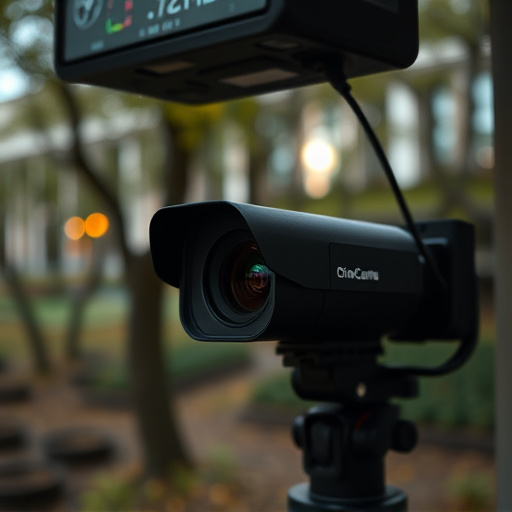
Body-worn surveillance camera systems have revolutionized law enforcement and security by enhancing situational awareness, capturing high-quality evidence, and improving communication. Radio Frequency (RF) detectors are crucial in combating hidden surveillance within these systems, identifying electromagnetic signals from covert cameras, and maintaining privacy. Using strategic RF sweep techniques, authorities can detect hidden cameras by scanning frequencies, analyzing signals, and looking for patterns or irregularities.
“Uncover the hidden with our comprehensive guide on using RF detectors to sweep for body-worn surveillance cameras. In today’s world, understanding technology like Body-Worn Surveillance Camera Systems (BWSCS) is paramount for privacy protection and security. This tutorial delves into the crucial role of RF detectors in identifying these clandestine devices. Through a step-by-step approach, we’ll teach you how to navigate the process of detecting hidden cameras using radio frequency sweep techniques, empowering you with essential skills.”
- Understanding Body-Worn Surveillance Camera Systems
- The Role of RF Detectors in Hidden Camera Detection
- Step-by-Step Guide: Detecting Hidden Cameras Using RF Sweep Techniques
Understanding Body-Worn Surveillance Camera Systems
Body-worn surveillance camera systems have become increasingly prevalent in law enforcement and security operations, offering a unique perspective on situational awareness. These compact and wearable devices are designed to capture high-quality video and audio, providing valuable evidence and intelligence in various environments. The integration of these systems allows officers to document incidents, enhance communication, and improve overall safety.
Understanding how these cameras work is essential for optimal deployment. Typically, body-worn cameras use advanced sensors and processing units to record continuous footage or trigger recordings based on specific events. They can be easily operated by first responders, offering real-time insights into their interactions and surroundings. The data captured by these systems contributes significantly to post-incident analyses, investigations, and decision-making processes in both law enforcement and private security sectors.
The Role of RF Detectors in Hidden Camera Detection
RF (Radio Frequency) detectors play a pivotal role in detecting hidden cameras, especially within Body Worn Surveillance Camera Systems. These advanced devices are designed to identify electromagnetic signals emitted by various electronic devices, including those used in covert surveillance equipment. When it comes to hidden cameras, RF detectors sweep through a range of frequencies to detect the unique signals that these devices transmit, helping authorities and individuals stay one step ahead.
By utilizing RF technology, detector users can uncover hidden camera systems that may be disguised as ordinary accessories or integrated into clothing or personal items. This capability is particularly valuable in high-security environments, public spaces, and scenarios involving celebrity protection, where the potential for surveillance is a significant concern. With their ability to pinpoint sources of RF emissions, these detectors offer a powerful tool for maintaining privacy and security.
Step-by-Step Guide: Detecting Hidden Cameras Using RF Sweep Techniques
Detecting hidden cameras using Radio Frequency (RF) sweep techniques is a meticulous process that requires precision and expertise. Here’s your step-by-step guide to uncover these covert surveillance systems, particularly focusing on Body Worn Surveillance Camera Systems.
1. Equip Yourself: Begin by acquiring a high-quality RF detector designed for identifying wireless signals. These devices can range from handheld scanners to more advanced, portable setups. Ensure yours is capable of detecting the specific frequencies used by body-worn cameras (often in the 2.4 GHz or 5.8 GHz bands).
2. Scan for Signals: Power on your RF detector and initiate a thorough sweep of the area you suspect might contain hidden cameras. Move slowly and methodically, pausing frequently to analyse any detected signals.
3. Identify Frequencies: Body-worn surveillance cameras emit signals within specific frequency ranges. Cross-reference the readings from your detector with known camera frequencies to confirm your findings.
4. Zero in on Hotspots: Once you’ve identified a suspicious signal, concentrate your search within that area. Hidden cameras are often strategically placed, so pinpointing the exact location of the source can help narrow down potential camera positions.
5. Analyze Patterns: RF signals from hidden cameras may exhibit distinct patterns or fluctuations over time. Look for any irregularities in the readings, as these could indicate active surveillance.
6. Investigate Further: If you suspect a live feed, take additional steps to confirm its presence and location, using specialized tools if necessary. Remember, professional assistance is recommended for sensitive investigations involving Body Worn Surveillance Camera Systems.
Hidden cameras pose a significant privacy concern, but understanding the technology behind them empowers individuals and organizations alike. By leveraging RF detector sweeps, as detailed in this tutorial, users can effectively detect and mitigate the risks associated with body-worn surveillance camera systems. This knowledge is crucial for safeguarding personal spaces and fostering trust in an increasingly digital world.